.png)
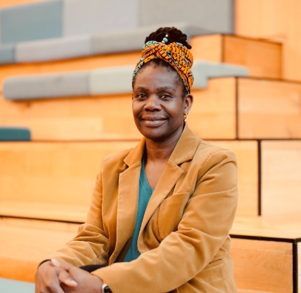
Dr Lily Hamourtziadou
Senior Lecturer in International Relations, Course Leader MA International Relations and Security at BCU
Who has been a significant female role model in your life, and what impact have they had on you?
...
My mother, the daughter of poor refugees, entered university to study medicine in 1957, the only woman in her year, in a class full of male students.
She was not intimidated and went on to become the Head of Intensive Care, saving thousands of lives in her career. She taught me to follow my passion and to believe in myself. Global security, my area of research and expertise, is very male-dominated and it can be unnerving, but, as I always tell my students, we must persevere and trust in our abilities to do the job and do it well!
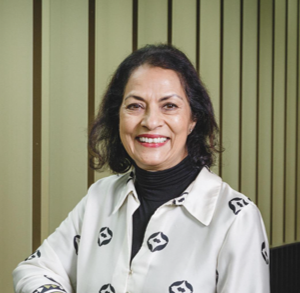
Imogeen Denton
Head of Equality, Diversity and Inclusion at BCU
What does empowerment mean to you, and how do you strive to empower others?
When we lift each other we all rise and grow stronger together.
...
For me this means offering support, advice and guidance, celebrating people's achievements, and practicing simple gestures of kindness.
Anita Bhalla
Pro-Chancellor and Chair of the Board of Governors at BCU
What advice would you give to young women aspiring to leadership roles in their chosen fields?
Master the fundamentals of your field. Go deeper than what’s required. Develop both technical skills and strategic thinking.
...
Always have a plan but you might need one or two backups. Leaders aren’t taken seriously because they’re loud—they’re taken seriously because they’re capable. Seek mentors and sponsors and build a diverse network at all levels.
How do you believe your work contributes to fostering a more inclusive and equitable environment at the university?
I hope as a female leader in academia I contribute far more than representation. I hope I influence culture, scholarship, policy, and the lived experience of students and staff. I put an emphasis on participatory governance, transparent communication and mentorship development
What has been the most significant lesson you've learned on your journey as a woman in academia/leadership?
Not all women lead the same way, and leadership quality is not determined by gender. The contribution is not biological—it’s structural and contextual.
What does empowerment mean to you, and how do you strive to empower others?
I strive to lift barriers, this then brings in diverse perspectives into decision-making spaces, institutions become more innovative, humane, sustainable and equal. These actions should help to empower others.
What does being a woman mean to you?
Being a woman is not one single experience it varies by discipline, country, race, class, age, and life journey. It is dynamic, sometimes contradictory but every day to be celebrated whatever the challenges face me.
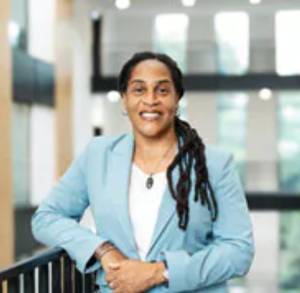
Marcia Wilson
Pro Vice-Chancellor Education and Student Experience, Birmingham City University
What has been the most significant lesson you've learned on your journey as a woman in academia/leadership?
The most significant advice is to plan your career
...
If you do not plan, someone else will do it for you and this might determine how far you progress. Be strategic and in the driving seat of your career development and progression.
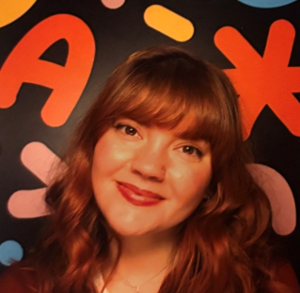
Rosemarie Short
Associate Director Student Advice & Community
What has been the most significant lesson you've learned on your journey as a woman in academia/leadership?
I’ve learned to build and draw on a strong bank of skills; resilience, determination and clarity of purpose
...
These help me to use my voice with confidence, in my commitment to removing barriers so students can succeed and complete their degrees.
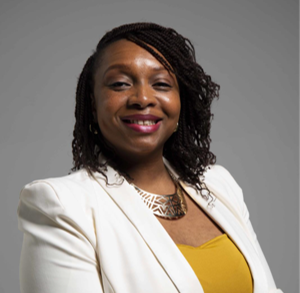
Dr Yemisi Akinbobola
Associate Professor of Women's Rights and Media Development
What advice would you give to young women aspiring to leadership roles in their chosen fields?
Take every opportunity to learn from others, both those ahead of you and those coming behind you
...
Learning never stops, so never assume you know everything, and never assume someone cannot teach you something. My daughters, for example, teach me new ways of thinking and approaching problems every day.
Leadership is a journey of preparation. Be proactive, build networks, and make your ambitions known. And as you grow into leadership roles, remain reflective about your leadership style. Ask yourself: What makes me distinct? What kind of leader do I want to be? The answers to those questions will help you lead with purpose and authenticity.
How do you believe your work contributes to fostering a more inclusive and equitable environment at the university?
Both my research and my teaching centre inclusion and equity. My research focuses on women’s rights and media development, which means addressing gender equality and equity both within media institutions and through media representation. In my teaching, I recognise the responsibility we have in shaping the next generation. I take that seriously. It requires empathy, adaptability, and a willingness to meet students where they are. Teaching and education should not be rigid, we must be responsive if we want to truly support people’s development and growth.
What has been the most significant lesson you've learned on your journey as a woman in academia/leadership?
The journey has not been easy, and I have had to build resilience in the face of many challenges. One of the most important lessons I learned was the value of recognising my unique contribution, the area of work that I could truly own. That clarity does not remove structural barriers or other people’s prejudices. Those realities still exist. But I cannot control others. What I can control is how I position myself and how I move through my journey. I take my responsibility as a leader in my field seriously and with a great sense of pride, because I know that the work I do today helps lower barriers for those who come after me.
What does empowerment mean to you, and how do you strive to empower others?
I believe everyone already exercises some form of agency and empowerment in their lives. Individual empowerment is important, but it must be supported by enabling environments. You can train and equip someone with skills, but if the systems and structures around them remain unchanged, their ability to grow and succeed may still be limited. That is why empowerment must be holistic, involving individuals, institutions, and systems working together.
Who has been a significant female role model in your life, and what impact have they had on you?
I have been inspired by many women in different ways. Some are constant sources of inspiration in my life, such as my mother, sister, daughters, grandmother, and mother-in-law. I am also inspired by remarkable women whose work has shaped the world, including Ellen Johnson Sirleaf, Netumbo Nandi-Ndaitwah, and Leymah Gbowee. Cultural figures like Oprah Winfrey, Beyoncé, and Janelle Monáe also inspire me through their creativity, courage, and influence. But I am equally inspired by everyday people like my colleagues, students and people I come across in my line of work. Each reminds me why the work matters and motivates me to contribute in ways that are bigger than myself.
What does being a woman mean to you?
To me, being a woman is the embodiment of both strength and care. It is the ability to hold resilience and compassion at the same time, to lead, to nurture, to challenge injustice, and to build possibilities for others.
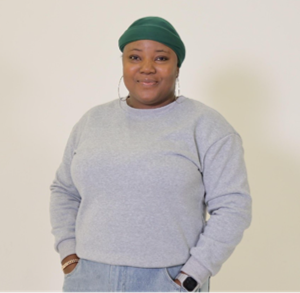
Oluwadamilola Iyanda
BCUSU Vice President Welfare
What does empowerment mean to you, and how do you strive to empower others?
Empowerment, to me, is the quiet but steady belief that every person deserves to take up space fully, confidently, and without apology.
...
It’s not about giving people a voice; it’s about creating environments where their voices are heard, valued, and acted upon.
In my work, empowerment looks like opening doors and then holding them wide enough for others to walk through with ease. It’s making sure students feel seen in their struggles, supported in their ambitions, and celebrated in their identities. It’s listening deeply, advocating boldly, and reminding people that their lived experiences are not just valid they are powerful.
Every day, I strive to empower others by creating spaces where honesty is welcomed, vulnerability is safe, and growth is possible. Whether it’s through welfare initiatives, community conversations, or simply showing up with compassion, my goal is always the same: to help people recognise the strength they already carry within themselves.
Empowerment is not a moment; it’s a culture. And I’m committed to building it, one student, one story, one act of courage at a time.
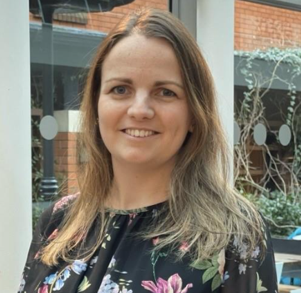
Stephanie Groves
Head of Engagement at BCUSU
What has been the most significant lesson you've learned on your journey as a woman in leadership?
Barriers are there for sure, but so are many, many allies.
...
Find those who boost you up, who empower and challenge you and who bring out the best in you and never lose faith that allies are out there.
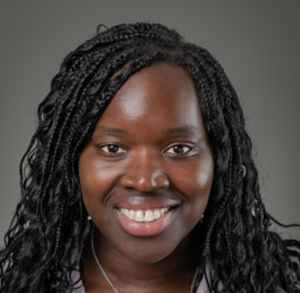
Ana Indi Amona
Student Induction & Community Manager
What advice would you give to young women aspiring to leadership roles in their chosen fields?
Don't be scared to invest in yourself and take on opportunities to learn more and grow in your role.
...
Build a community wherever you go, and they will be more important and powerful than you think.
How do you believe your work contributes to fostering a more inclusive and equitable environment at the university?
The team focuses on hosting events and workshops which aim to build a BCU community and a sense of belongingness whilst empowering students and showing them the power and importance of their voice.
What has been the most significant lesson you've learned on your journey as a woman in academia/leadership?
Don't be scared to restart when things go wrong. Success may be in your next reinvention or version of yourself/team.
What does empowerment mean to you, and how do you strive to empower others?
Empowerment to me is being aware of your strength, but also the responsibility that comes with the power you have. I try to support others in developing the awareness needed to become empowered.
Who has been a significant female role model in your life, and what impact have they had on you?
My mother is my role model as she is a strong, independent and resilient woman who never gave up on her dreams or on inspiring me. I personify her resilience, persistence and strength in the things that I do, especially during difficult moments.
What does being a woman mean to you?
Being a woman means being my own version of a strong queen. Building a life aligned with my values and my very own version of things, such as success.